


A first safari experience can be a bit overwhelming — so many questions and details that you may have never had to consider on previous travels. We here at Hills of Africa are experts in preparing our clients for their trips of a lifetime, and so we thought we’d share some of the tips and tricks that can help you make the most of your first safari vacation!
First, we send out a full library of pre-travel emails to our clients to ensure that you have the information you need … without having to search for answers.
Our pre-travel emails address a variety of topics, including:
- Charter flight details and luggage requirements
- Packing guidelines
- Health precautions
- Visas and passport details
- Cell phone and cash requirements
- Photography tips
- Recommended reading
Plus, each email is personalized to your destination and specific trip details, so you won’t have to weed through what’s relevant vs. what’s not!
These emails are super helpful once you have booked your safari, but what about when you’re still exploring your options? Well, we can help with that too!
See below for some quick FAQs that might help you out as you’re considering your first safari vacation!
SAFARI FAQs FOR FIRST-TIMERS
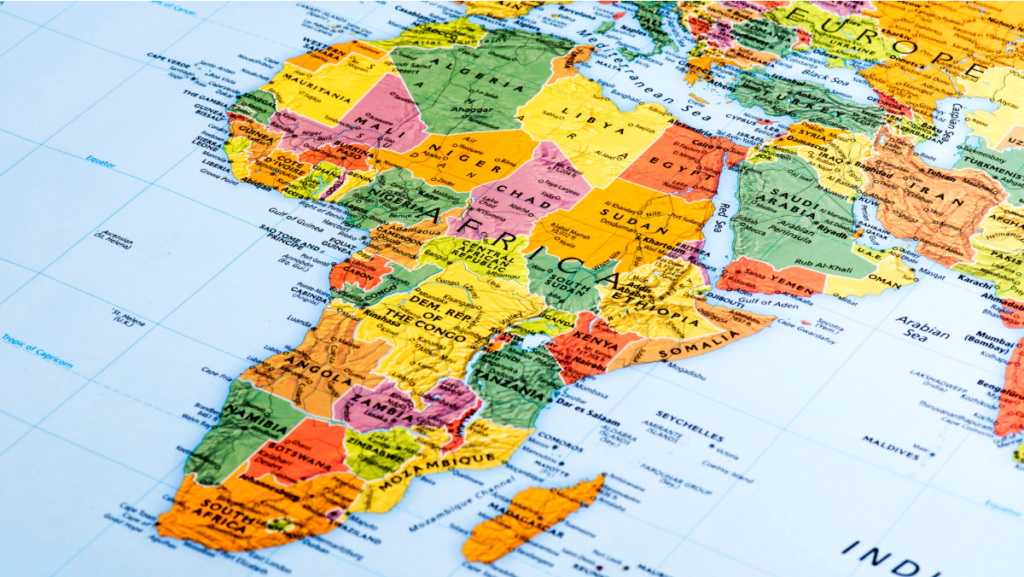
WHERE SHOULD I GO?
One of our favorite itineraries for first timers to Africa takes clients to Cape Town, exploring the Cape Peninsula and the Winelands before visiting the stunning Victoria Falls, then finishing with safari in either Zimbabwe or South Africa.
HOWEVER! The options are endless! We want to tailor the trip to the client. So if your clients want to experience water-based safaris, or giant sand dunes, or epic cultural experiences or private, unspoiled beaches, or as many elephants as possible, we can make their first trip (or their third or fourth) to Africa everything they’ve dreamed of!
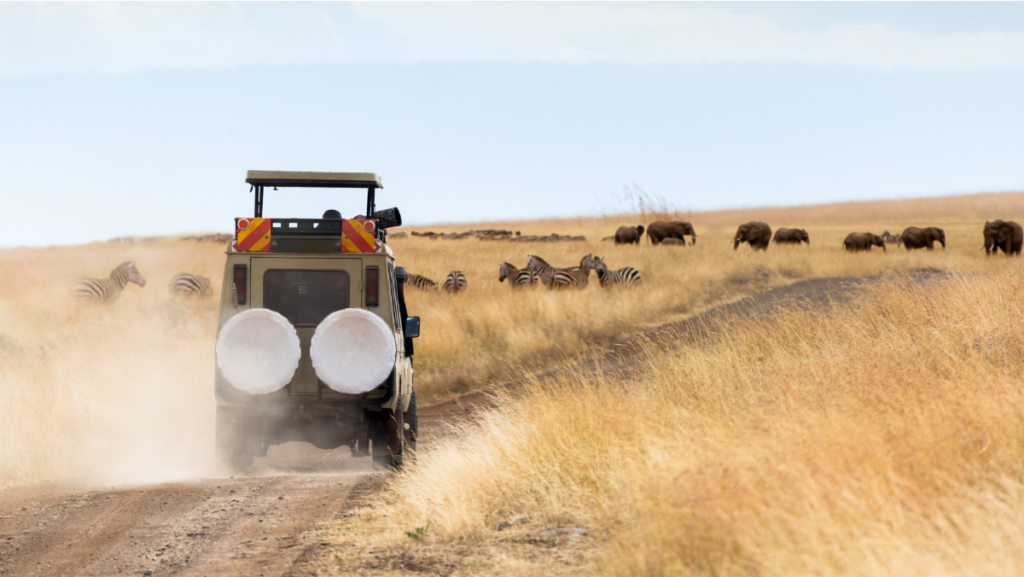
WHAT’S A TYPICAL DAY ON SAFARI LIKE?
There’s no ONE way to spend a day at a safari camp, and depending on your clients’ itinerary, they may spend a whole day at camp just enjoying their surroundings, relaxing in the pool, or chatting with the staff.
But, for those days where they’ll be adventuring out on game drives, the day starts early and ends late, with plenty of excitement (and FOOD) in between! Here’s what we think of as a “typical” day on safari:
5:30 am – Wake up call with a knock – knock on your room’s door
6:00 am – Light breakfast in the main area
6:30 am – Depart for your morning activity
11:00 am – Brunch
3:30 pm – Afternoon tea
4:00 pm – Leave for afternoon game drive
8:00 pm – Dinner under the stars
After Dinner – optional night game drive
WHAT DOES __ MEAN?
There are plenty of words that your clients might only ever hear on safari, and those words are often unique to the destination. But here are a few safari lingo definitions that might help them as they read up about safaris and prepare for their trip!
Big Five — A phrase originally used by hunters to denote the five most difficult animals to hunt on foot — elephant, rhino, African buffalo, lion, and leopard. Now the phrase is used to refer to these same animals as the five key animals to find on safari.
Biltong — A type of dried, cured meat from Southern African countries. Similar to a spiced jerky.
Boma — Traditionally, a boma is a livestock enclosure or fortified village. Today, many safari camps have their own bomas that they use as enclosed dining areas for meals under the stars.
Braai — In short, braai is a South African barbecue, a special feast that can last for hours, with meat cooked on wood (or charcoal). It is seen as a social event that brings together family and friends.
Bushveld — The bushveld is a specific region in Southern Africa that features grassy plains with dense clusters of trees and shrubs. More generally, the “bush” or the “veld” refers to regions that are generally flat and covered in grass or low scrub.
Charter flight — A charter flight is one that is scheduled just for you and your group, as opposed to a commercial flight that operates on a regular schedule. Charter flights have strict rules about passenger and baggage weights.
Great Migration — While there are many migrations throughout the world, the term Great Migration is generally used to refer to the ongoing movement of huge herds of animals (largely zebra and wildebeests) through Kenya and Tanzania as they follow the food and water throughout the seasons.
Hide — A game-viewing hide or photographic hide is a structure that allows you to get up-close-and-personal with the wildlife while remaining hidden and safe. These can be elevated platforms in a tree, a sunken bunker, or similar, and they are usually located near a waterhole or other area frequently visited by wildlife.
“Just now” — This one isn’t specific to safari, and if you hang out with someone from Southern Africa for very long, you’ll realize that this phrase means something entirely different to them than it does to most Americans! If a South African tells you they’ll do something “just now,” get ready to wait! It generally means something like … “sometime in the near future but not immediately.” You’ll also find that phrases like “now now,” “now,” and “right now” mean something different than you might expect.
Mokoro — A mokoro is a traditional dugout canoe used in the Okavango Delta and Chobe River areas of Botswana. Traditionally they were made by hollowing out the trunk of a large tree, but in modern days they are often made of fiberglass, which preserves large trees and requires less maintenance.
Sundowner — Sundowners, a (usually) alcoholic drink taken at sunset, are an integral part of the safari experience. Stopping the game drive vehicle in a scenic spot, setting up a makeshift bar, and having a snack and a drink while watching the stunning beauty of an African sunset … there is very little that can compare. (Not every lodge can offer sundowners, however, based on where they’re located or their schedules, so if this is important to your clients, let us know!)
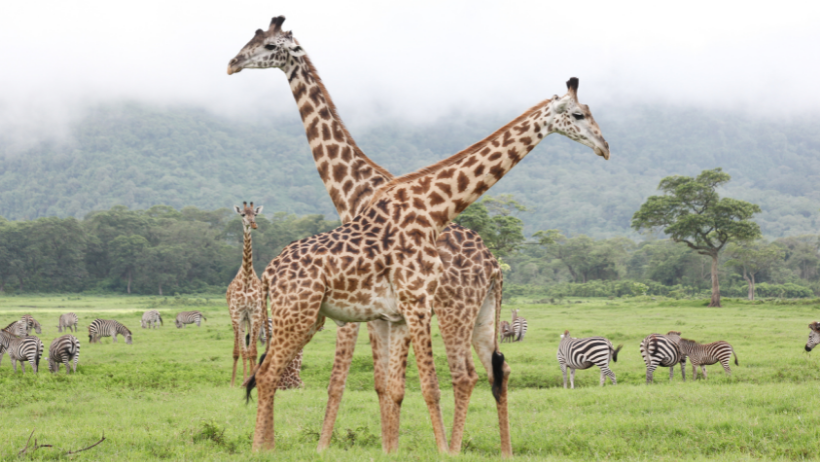
WHAT’S THE DIFFERENCE BETWEEN A CONCESSION, GAME RESERVE, AND NATIONAL PARK?
A national park is owned and operated by the government and often has stricter rules about when and where safari vehicles can operate. A game reserve is owned by a private company, usually the lodge or lodges that are located within the reserve. A private concession is an area within or adjacent to a national park that is leased to a particular lodge or safari company for their private use.
It’s important to know where your clients are staying because it will potentially impact their ability to go on night drives, walking safaris, and drive off-road, all of which are usually restricted in national parks. Private concessions or game reserves also limit the number of vehicles operating in the area whereas national parks generally do not, meaning that concessions and reserves often offer a more exclusive (albeit often more expensive) experience.
If you’re considering an African safari vacation, we’d love to take care of you throughout the journey. Reach out to us using the button below, and we’ll help make your dreams a reality!