

I had the pleasure of recently interviewing Rob Moffett (seen in the picture to the left with the shades and hat!), sales and marketing manager of Namibia Exclusive Safaris, on their new luxury lodges in remote wildlife areas of Namibia and how they are setting the standard for a unique concept they coined as “eco-ethno-tourism.”
See below for the exclusive interview:
Q1. Tell us about Namibia Exclusive Safaris and the vision behind it.
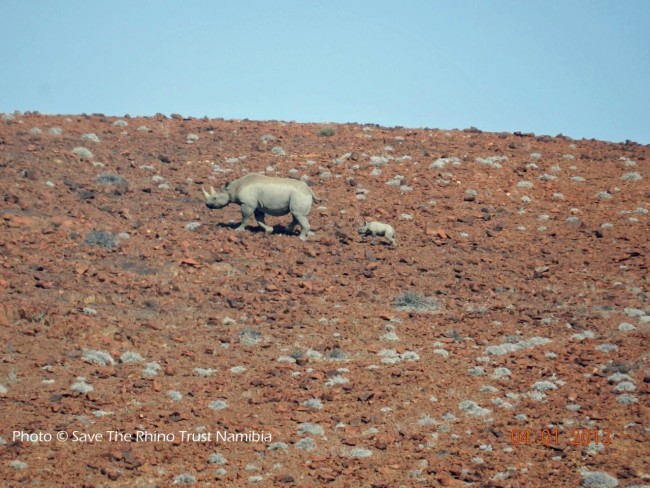
Africa’s wild places face an increasingly precarious future. Here in Namibia, illegal killing of free-roaming lions, elephant, and rhinos is evidence of the escalating pressure on natural resources. See below for some articles that give greater insight:
Black rhino slaughter uncovered
Unfortunately, this poaching flies in the face of the exceptional success of the national CBNRM (Community-based Natural Resource Management) policy that resulted in what the WWF terms Africa’s most successful conservation recovery story.
While a great deal has been put in store for tourism’s potential to positively impact Namibia’s Communities who have chosen to live with wildlife (however, barring one or two exceptions), the results have been less than stellar.
To illustrate this point, a recent post on Africa Geographic by a conservationist working in Namibia’s Community-based Conservancies writes; “Photographic tourism has the potential to provide income for conservation, but it often does not live up to this expectation.”
The consequences we see are increased incidents of poisoning, poaching, over-harvesting, and further habitat encroachment with domestic livestock.
In order to sustain a high level of commitment to living with wildlife among Communities upon their ancestral lands we need to make a concerted effort to improve benefits at the grassroots level. It is the travel and tourism industry’s responsibility to generate material benefits to communities upon whose ancestral lands safaris take place.
It is now imperative that we rally around the cause of improving the prospects for communities and wildlife; at Namibia Exclusive Safaris we have a clear point of view of our role in society and a clear, authentic strategy to rally our audience around the vision.
Namibia Exclusive Safaris’ (NES) vision synergizes uncompromising luxury, scenic beauty, exceptional wildlife, and above all, the local community. Our dream is made possible by a strong belief in the primary pillar of conservation: sustainable utilization of natural resources through communal involvement.
Through delivering meaningful benefits to indigenous communities, which NES terms eco-ethno-tourism, visitors make a material contribution to a better future for both the planet and people.
Q2. Absolutely brilliant vision! As for accommodations, Namibia Exclusive Safaris has a portfolio of four properties in Namibia that are expected to open in 2015. What can guests expect when visiting these properties?
Firstly, it’s going to be wild! Our areas are off the beaten track, away from the conventional tourism routes. For instance, Khaudum National Park has up to now been restricted to all but the hardiest of travellers – click here to see what I mean!
Secondly our lodges are small, only nine rooms, which we believe is the perfect balance between personal service when appropriate, yet large enough to also have your personal space and privacy. The four camps represent possibly the most capital-intensive lodge investments on unsecured (communal land) in Namibia.
Thirdly, our lodges are set in wonderful locations, positioned perfectly for guests to take in the incredible scenery. Some days you’ll just want to enjoy the spectacle from your deck!
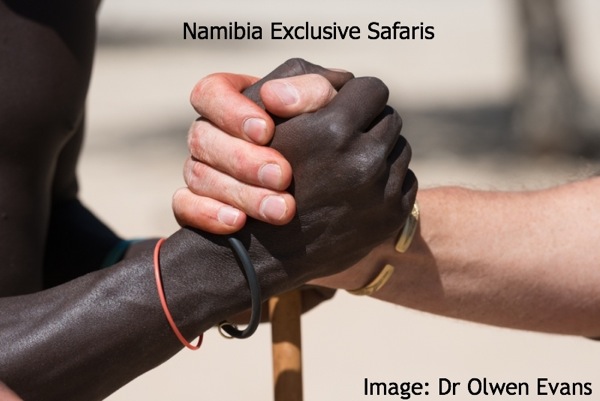
Fourth, Namibia Exclusive Safaris participates in genuine community involvement – seen in the operations of the camps and the activities on offer. That is over and above the community’s equity participation in each business.
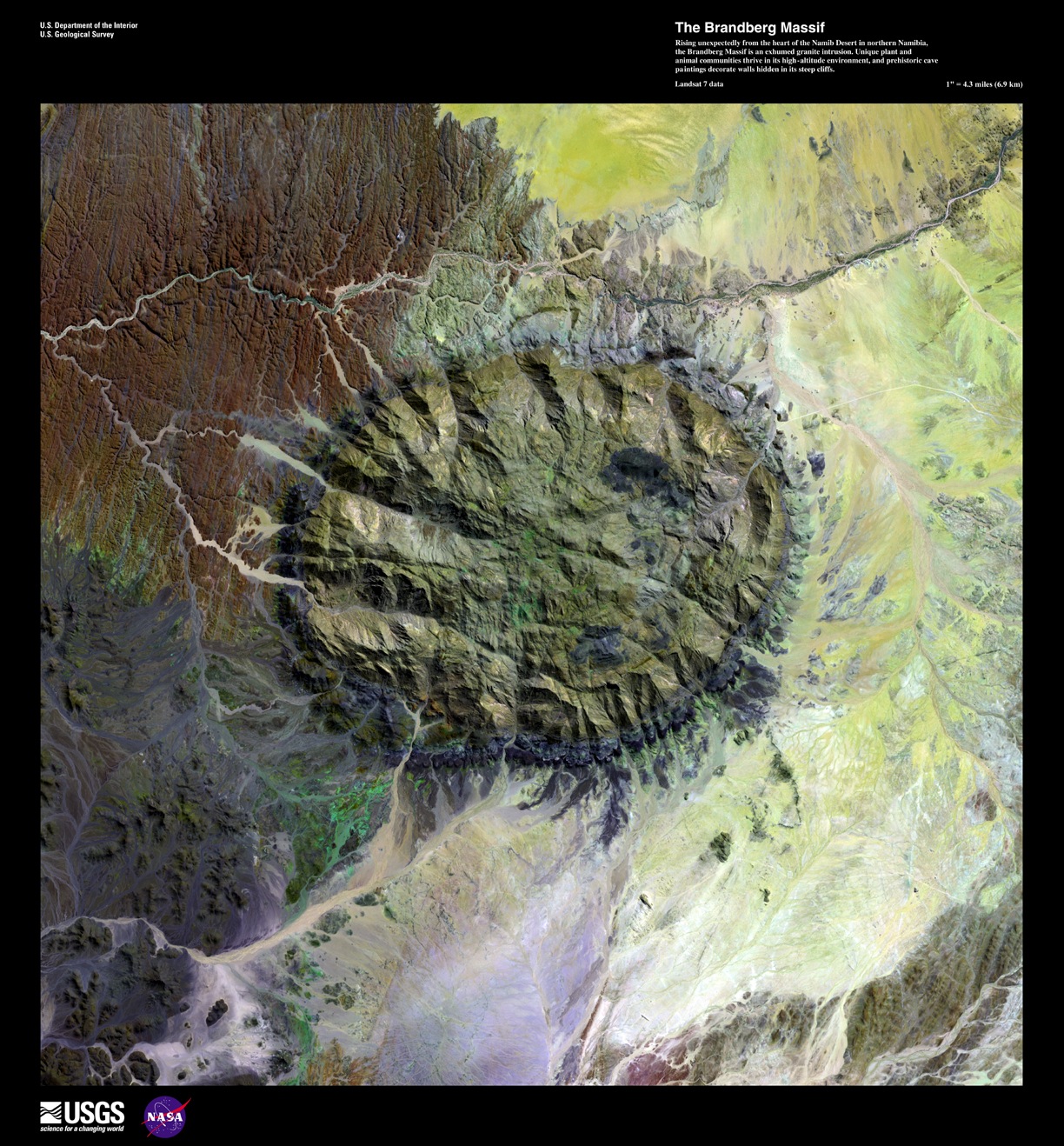
Image above provided by Rob Moffett. Image of the Sorris Sorris lodge being built in the top right of the Brandberg Massif satellite image.
Q3. Wow – sounds amazing! Also, each property was designed by green build architect, Greg Scott. How does a “green build” affect the design of the property and what is its impact on the environment and / or communities?
In each instance the challenge posed by the remote locations of the lodges influenced the building materials; a combination of locally available building materials – rammed earth / stone from site / thatching from grass in the area, etc. The goal was to eliminate as many transportable materials as possible, which resulted in the projects having a low carbon footprint and blending well with the environment in which they find themselves.
Water, energy and waste all need to be handled on site and this further strengthens the green credentials the project enjoys. All of the building projects are being done with the involvement of the local communities borne in mind as beneficiaries; local conservancy members have been given jobs, taught skills, and will work in the lodges, be taught to manage and to also operate service industries (laundries, market gardens, etc.) This ensures that there is a general upliftment and benefit to the broader communities that struggle in these otherwise harsh environments.

Passion, dedication and commitment by the likes of Rob Moffet help make Namibia a unique “destination of choice”, – and a must-be on any bucket-list. Great work, Rob, Namibia thanks you!
Completely agree! He’s got an amazing vision and some wonderful things planned for Namibia’s future!
– Sandy
Namibia Exclusive Safaris is setting the new standard for luxury and commitment to community conservation combined!